


[Innovation Ambassadors]Making insurance more accessible in France for people living with HIV
The Innovation Ambassadors program, which includes 5 winners among 102 innovative projects submitted from 24 entities worldwide in 2025, shows that innovation can be found everywhere at
BNP Paribas Cardif!
Briefly introduice yourself
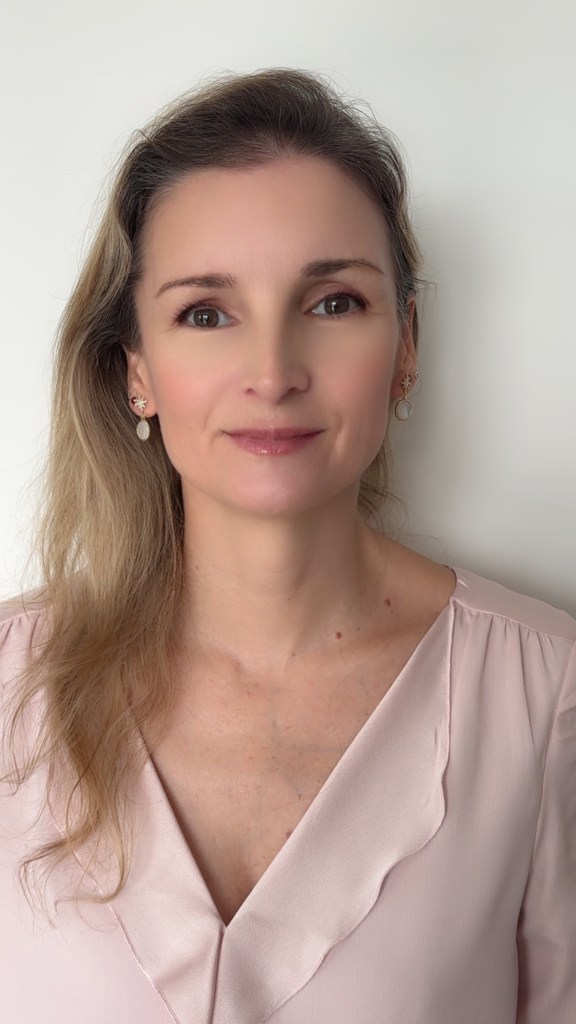
My name is Sigrid Motillon and I’m a research officer in charge of assessing medical and special risks within the Actuarial Department of BNP Paribas Cardif in France.
I work on all matters related to medical risk, during both the subscription phase and the claims phase, for loan insurance and personal protection policies.
My role is to analyse medical data and regularly re-assess our acceptance policies to ensure that they reflect medical advances and clinical realities in the field. This can take the form of eliminating medical formalities, simplifying eligibility rules or integrating new, innovative services for our policyholders, such as the reimbursement of genomic tests in certain cases.
I work closely with many internal stakeholders, including the Actuarial team, the Impact and Innovation Department, the operational teams (Subscription, Claims), the team of medical consultants, legal affairs, marketing, communications, etc. And with external medical experts, such as Professor Caroline Charlier-Woerther, whose clinical expertise provides an essential contribution to our analyses.
Driven by the conviction that insurance should support people’s lives without creating unjustified obstacles, I am committed every day to helping our practices evolve towards greater inclusion, simplicity and protection. Outside work, I’m particularly interested in medical advances and healthcare innovations, passions that feed directly into my job.
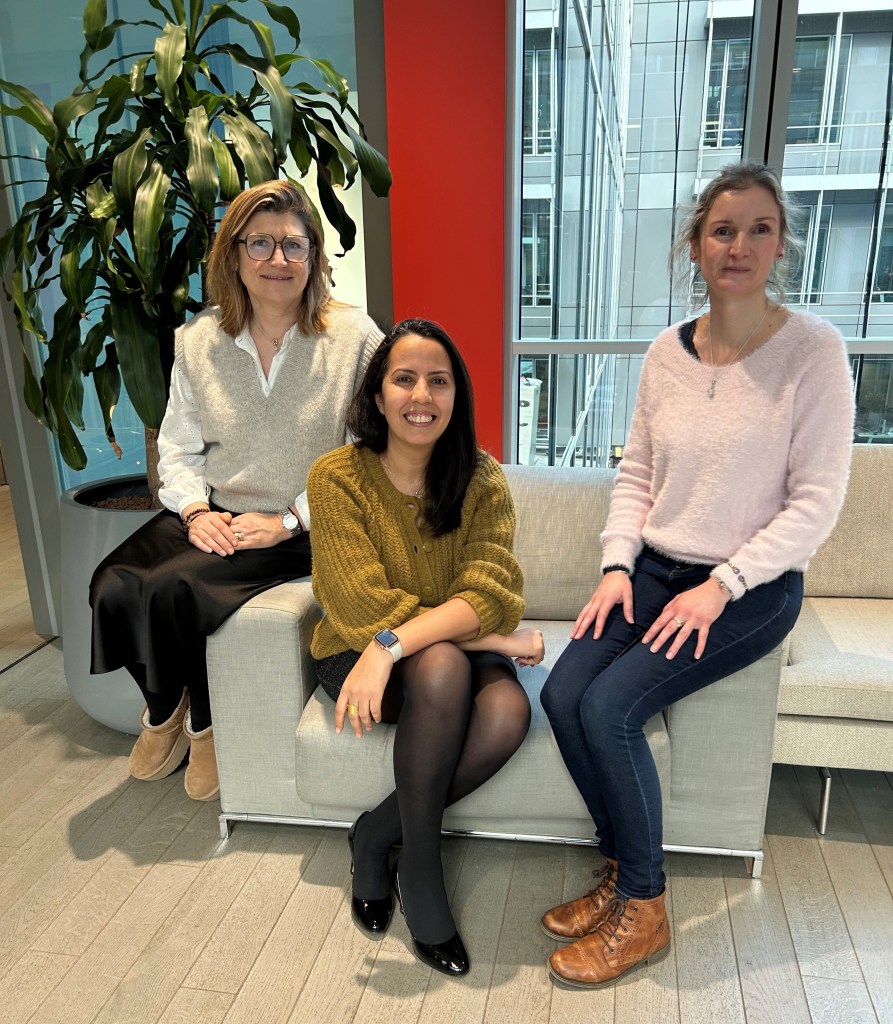
Other contributors to the project:
- Actuarial Department: David Antonnetti / Myriam Jlidi / Mathieu Jourdain / Sigrid Motillon
- Impact and Innovation Department: Céline Scazzola
- Medical expert: Professor Caroline Charlier-Woerther
Could you please introduce your initiative?
HIV currently affects approximately 200,000 people in France. Thanks to modern antiretroviral treatments, 93% of those who receive them achieve an undetectable viral load, are no longer contagious and can lead a completely normal life. However, despite these major medical advances, access to credit and loan insurance remains a challenge for many people living with HIV.
Our initiative was born out of this realisation, that the way in which risk was assessed for these customers needed to be thoroughly re-examined. The objective was clear: to incorporate the latest medical data to make insurance more accessible, fairer and better adapted to today’s reality.
The project brought together a multi-disciplinary team, including actuaries, medical experts, the impact team, and, most importantly, Professor Caroline Charlier-Woerther, whose expertise provided us with a real-time clinical understanding of treatments and their efficacy.
As a result of this work, people living with HIV who have an undetectable viral load at the time of subscription can now take out loan insurance with no additional premiums or exclusions, up to a maximum of 1 million euros.
This advance goes beyond the criteria of the AERAS agreement for people with increased health risks: we are simplifying the risk assessment rule by retaining a single criterion, namely the undetectable viral load, whereas previously several conditions had to be met.
This initiative is a major development in our accessibility policy, perfectly aligned with BNP Paribas Cardif’s commitment, adopted over 15 years ago, to offer more inclusive, simpler and more comprehensive insurance.
Innovative features:
In line with the advances already made in other pathologies, BNP Paribas Cardif has drawn on the recognised expertise of Professor Caroline Charlier-Woerther to develop an innovative risk assessment.
Innovation n°1: Benefit from the real-time expertise of a specialist in the pathology.
Input from Professor Caroline Charlier-Woerther enabled us to incorporate real-time clinical environment data, and in particular the effectiveness of new treatments resulting from recent advances in medicine.
This information is invaluable and complements the statistical studies carried out over several years.
Innovation n°2: Simplify the risk assessment rule
However, risk assessment must take several parameters into account, as set out in the AERAS agreement (which defines rights to insurance and borrowing for persons with an increased health risk). These include the following:
- An undetectable viral load one year after the start of treatment;
- A CD4 count* ≥ 500/mm3 and an undetectable viral load in the last 12 months prior to subscription;
- A period of maximum 35 years between the start of treatment and the end of the loan insurance contract;
- A maximum loan coverage period of 25 years.
BNP Paribas Cardif has simplified its eligibility criteria. People living with HIV can now borrow for their projects and gain wider access to loan insurance without any additional premiums or exclusions. The only requirement is an undetectable viral load at the time of subscription for loans of up to 1 million euros.
*T4 (or CD4) cells are the cells targeted by HIV. Normally, their number varies between 500 and 1,500/mm3. When this number drops significantly, the patient suffers from immune deficiency. HIV penetrates CD4 cells and disrupts their function. CD4 (or T4) cells | Sida Info Plus
How does your initiative correspond to the category you won: inclusion and accessibility ?
Our initiative fits perfectly into the category that recognises projects promoting inclusion and accessibility. At BNP Paribas Cardif, we are committed to ensuring that everyone has access to the loan insurance best suited to their situation: when someone is rejected for insurance, it often means their financing is also rejected, and they are therefore unable to carry out personal and professional projects.
Thanks to our new approach, 9 out of 10 people living with HIV now have access to loan insurance without additional premiums or exclusions, which represents significant progress. This approach means they are better protected and can take on real estate, professional or personal projects under better conditions.
The long-term objective is to achieve a standard underwriting rate of over 95% for customers with no other comorbidities, compared with less than 5% previously.
By having a direct and measurable impact on the lives of policyholders, simplifying the eligibility criteria and striving to exceed the standards of the AERAS agreement, this initiative perfectly embodies the purpose of the category in which we won, namely to offer more inclusive, fairer and more innovative insurance.
What are the next steps for your initiative?
Launch in a new country or market if relevant / Further development or improvements / Partnerships.
This development is part of a wider initiative initiated by BNP Paribas Cardif over 15 years ago to improve access to loan insurance for vulnerable people.
The next step will be to extend this approach to other pathologies that are currently subject to complex or penalising eligibility criteria, in particular certain rare diseases, once again by relying on partnerships with recognised medical experts and researchers.
We are also looking into possibly extending the system to other countries. For example, we have just rolled out this new pricing system in Belgium.
Our ambition remains the same: to continue simplifying our insurance and making it more inclusive, to enable a growing number of people to realise their personal or professional projects.
What are your tips for innovating at BNP Paribas Cardif?
Keep up with developments, set no limits, rely on collective expertise, question you practices and constantly keep up to date with medical developments, customers’ expectations and ideas from the field.
It is by combining these different factors that we can create the most inclusive and appropriate solutions for our customers.